The Black List of MMJ Banned Pesticides

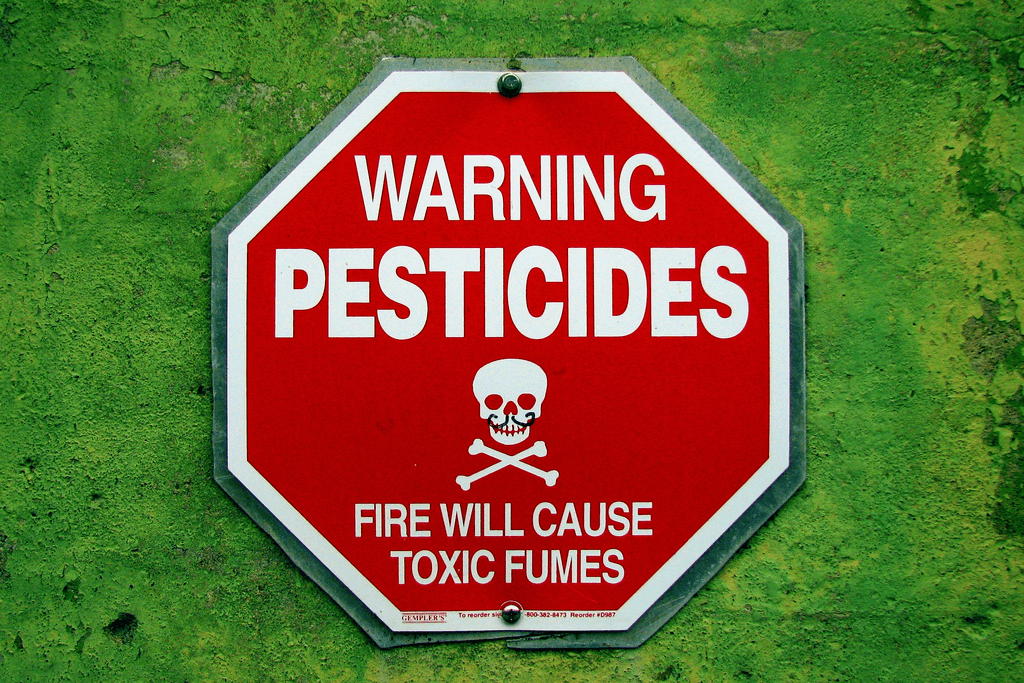
In addition to the tests required under WAC 314-55-10, new testing requirements are being implemented for Medical Cannabis as it comes under the purview of I502. The new section, WAC 246-70-050, requires testing for 13 prohibited pesticides for all flower, trim, leaves, or other plant matter. Concentrates require testing for 15. The Washington State Dept. of Health issued a post on their Medical Marijuana web page naming those black-listed pesticides.We’ve compiled a bit of information on these chemicals here to give you a peek; note that in the info below, “flower” is used as shorthand for “flower, trim, leaves, or other plant matter.” Stay tuned for updates and a look at heavy metals and aflotoxin/mycotoxin testing.
Abamectin
A Pesticide Awareness Network (P.A.N.) “Bad Actor” and Aquatic Toxin...
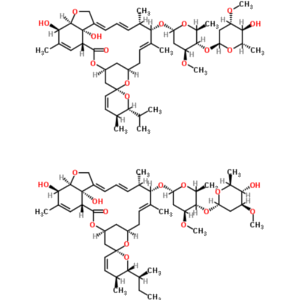
Common Name: Avermectin B1 (a,b)
Trade Names: Abba, Agri-Flex/Mek, Avicta, Avid, Dynamec, Reaper
ChemSpider: Abamectin
Required For: Flower, Concentrates
Abamectin, Avid as it is often referred to in the generic, is an insecticide, acaricide and nematicide most commonly
used by gardeners and the agriculture industry to fight off mites. Known as a developmental or reproductive toxin in
humans, this chemical is highly toxic to aquatic life.
Bifenthrin
Fire Ants, spider mites, and reproductive toxins...
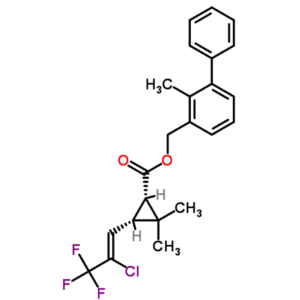
Common Name: Bifenthrin
Trade Names: Aloft, Athena, Bifenture, Brigade, Mustang, Talstar Nursery
ChemSpider: Bifenthrin
Required For: Flower, Concentrates
Bifenthrin is a pyrethroid class of chemicals primarily used to combat imported red fire ants, but is used by farmers to
fight aphids, gnats, mites, and thrips among other insects. It has been identified as a developmental or reproductive
toxin and is a suspected endocrine disruptor. Not only is bifenthrin highly toxic to aquatic organisms, it has the
longest half-life in soil of any insecticide currently on the market.
Chlormequat Chloride
Salting the earth...

Common Name: Chloride Salt
Trade Names: Citadel, Cycocel PGR, NuFarm
ChemSpider: Chlormequat Chloride
Required For: Flower, Concentrates
Chlormequat Chloride is a chloride salt that acts as a plant growth regulator used in the agriculture industry to
control cell elongation in cereal grains. High exposure is known to be a developmental or reproductive toxin in
humans and other mammals. It is soluble in water allowing potential groundwater and runoff contamination.
Daminozide
Kids and cancer and Washington Apple Growers...
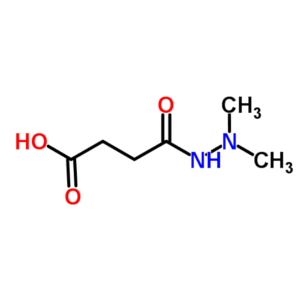
Common Name: Alar, B-NINE
Trade Names: Alar, B-NINE, Dazide 85, DMASA, SADH, B 995
ChemSpider: Daminozide
Required For: Flower, Concentrates
Daminozide has been illegal to use on U.S. food crops since 1989. A two-year study on exposure and children showed
even low levels of consumption resulted in a 240% increase in cancer risk. Another plant growth regulator, it was
commonly used in Washington State by apple growers to make harvests easier, who sued for libel after the press
reported on it. Even actress Meryl Streep testified in Congress as an expert on the chemical in her urging for
organic standards.
DDVP (Dichlorvos)
A soil penetrating threat to your health...
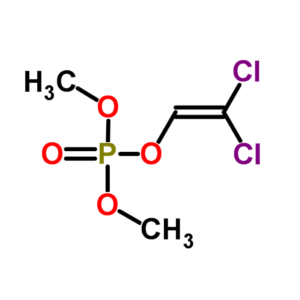
Common Name: Algard
Trade Names: Apavap, Benfos, Cekusan, Fly-Fighter, No-Pest, Verdisol
ChemSpider Link: Algard
Required For: Flower, Concentrates
Dichlorvos is an organophosphate insecticide, used to attack infestations of aphids, spider mites, thrips, and other
insects. When it comes to human risk, the National Institute for Occupational Safety and Health (NIOSH) labels it as,
“Immediately Dangerous to Life and Health.” Environmentally, this chemical is a big risk for groundwater
contamination; it doesn’t absorb into sediment, allowing it to travel through soil.
Imidacloprid
Membership to the bee-killing chemical class...
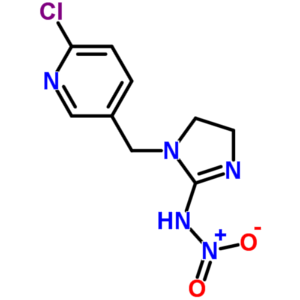
Common Name: Bayer Advanced
Trade Names: Gaucho, Leverage, Marathon, Merit, Neonic
ChemSpider Link: Imidacloprid
Required For: Flower, Concentrates
Imidacloprid is a systemic insecticide and a member of the neonicotinoids class of chemicals. According to current
research, Imadacloprid and other members of its class used in wide-spread agricultural applications may be
contributing to honey bee colony collapse in North America and Europe. The E.P.A here in the U.S., as well as
Canada’s Pest Management Regulatory Agency consider this chemical to have high potential for surface water run off and
ground water leaching.
Myclobutanil
The Eagle 20 has landed...
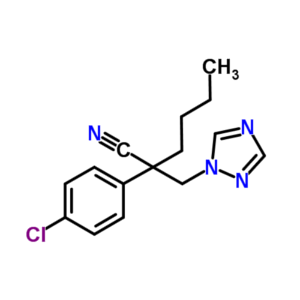 Common Name: Myclobutanil
Trade Names: Agristar, Disarm, Eagle 20, Ferti-Lome, Rally, Spectracide
ChemSpider Link: Myclobutanil
Required For: Flower, Concentrates
Myclobutanil is a fungicide known recently in the media as the active ingredient in Eagle 20. Another Pesticide
Awareness Network (P.A.N.) “Bad Actor” chemical, it is a known reproduction or developmental toxin and a suspected
endocrine disruptor. Ecological toxicity is particularly harsh on aquatic organisms and amphibians.
Paclobutrazol
A long-lasting contaminator...
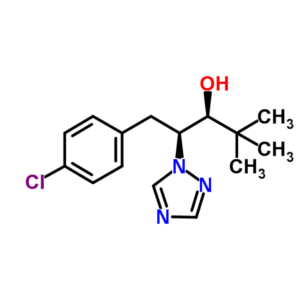
Common Name: PBZ
Trade Names: Andersons Golf, Muskateer, Paczol Piccolo, Sepro, Trimmit
ChemSpider Link: Paclobutrazol
Required For: Flower, Concentrates
Paclobutrazol is a fungicide that retards plant growth. Its method reduces internodial growth in a way that
thickens stems, increases root growth, encourages early fruiting, and reduces sensitivity to frost. Although it’s
not a “Bad Actor” on P.A.N.’s list, it’s impacts on aquatic life is quite harsh. Talk about tenacious: It
stabilizes in water-sediment mixtures, with a degradation time to half concentration (DT50) takes nearly 2 years.
Permethrin
The first-line treatment for Scabies, and military uniforms...
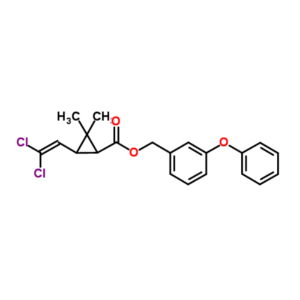
Common Name:Permethrin
Trade Names: Ambush, Dragnet, Eksmin, Qamlin, Torpedo
ChemSpider Link: Permethrin
Required For: Flower, Concetrates
Permethrin is a common and widely used ingredient in insecticides and insect repellents. The E.P.A. gives it a
Class II designation, but it is extremely toxic to fish and cats. It is a neurotoxin and works by slowing down
the nervous system through binding sodium channels. What’s the worry with this chemical and cannabis? Human tissue
studies indicate it promotes carcinogenic action in nasal mucosal cells when inhaled. It’s also shown up in breast
milk.
Propiconazole
C’mon, give our fisheries a break...
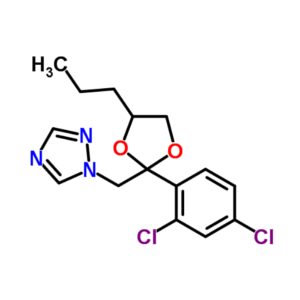
Common Name: DMI
Trade Names: Banner, Mantis, Juno, Novel, Restore, Spectator
ChemSpider Link: Propiconazole
Required For: Flower, Concentrates
Propiconazole is a systemic fungacide that employs an enzyme that stops cellular growth. Although generally cited
as moderately low acute toxicity, the E.P.A. studies indicate strong suspicion that it is carcinogenic to humans.
Ecologically, it is somewhat mobile in soil and is highly toxic to fish.
Spinosad
A wolf in sheeps clothing...

Common Name: Spinosad
Trade Names: Blackhawk, Bonide, Bulls-Eye, Elector Bait, Natular, Sluggo
ChemSpider Link: Spinosad
Required For: Flower, Concentrates
Spinosad is a highly effective broad pest spectrum insecticide made from the isolation of two bits of soil bacteria.
It has a low toxicity to mammals, and a good environmental profile. It is approved for use in organic agriculture
by numerous national and international certifications as well. While all that seems great, this insecticide is
highly toxic to honey bees in both acute and chronic exposure levels. It does a number on the butterfly
populations, too.
Spiromesifen
Enigmatic...
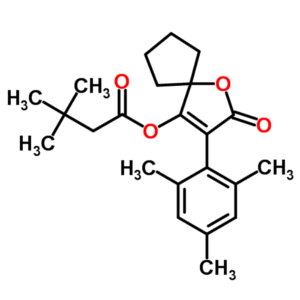
Common Name: Spiromesifen
Trade Names: Forbid, Judo, Oberon
ChemSpider Link: Spiromesifen
Required For: Flower, Concentrates
Spiromesifen is a tetronic acid insecticide developed in 2006 by Bayer and used primarily to fight mites and
whiteflies. While highly toxic to fish and other non-target insects, acute toxicity from inhalation and skin
contact is listed as low risk. Information on this chemical is a bit hard to find; checking datasheets from the
regulatory bodies of the E.U. gives more details.
Uniconazole
Long lasting carcinogen worry in our water...
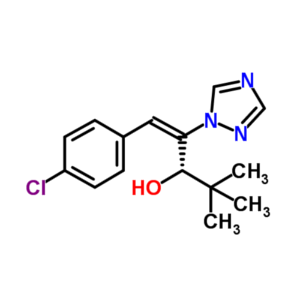
Common Name: Uniconazole
Trade Names: Concise, Prunit, Sumagic, Valent
ChemSpider Link: Uniconazole
Required For: Flower, Concentrates
Uniconazole is an azole class fungicide with growth regulator properties. While the W.H.O. lists acute toxicity
risk as “slight,” research indicates it may be a carcinogen with water contamination risks, even earning a spot
on the E.P.A.’s carcinogen watch list. In aerobic soil, the half-life of Uniconazole is 583 days.
Piperonyl Butoxide
The pesticide enhancer...

Common Name: PBO
Trade Names: Absorbine, Adams, Anvil, Diversey, Prozap, Sentry
ChemSpider Link: Piperonyl Butoxide
Required For: Concentrates
Piperonyl butoxide is an organic compound (a semi-synthesized derivative of safrole) that isn’t a pesticide on
its own, but rather is mixed with certain pesticide compounds as a synergist to increase their potency. The E.P.A.
designates it as a Class C indicating its potential as a carcinogen.
Pyrethrins
Don’t inhale...
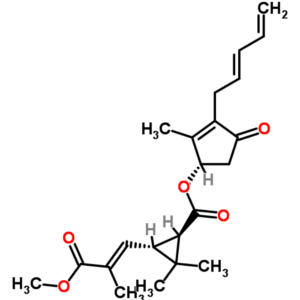
Common Name: Pyrethrins
Trade Names: Buhach, Ofirmotox, Insect Powder, Dalmation, Firmotox, Parexan
ChemSpider Link: Pyrethrins
Required For: Concetrates
Pyrethrins are a class of organic compounds derived from certain members of the Crysanthemum genus. They are
particularly potent at attacking the nervous systems of insects. Many consider this an organic pesticide, but
that doesn’t mean it’s safe. Chronic toxicity occurs most quickly through inhalation exposure.